
Too much said
Iran, where friends live. Part 2

Time to bid farewell: we hug, knowing we might never meet again. As he walks away, he brushes past a smiling old couple walking toward me. The old man’s grin fades. He watches the figure disappear, then he turns to his lady. “Do you think what I think?”
“Yes, we think the same thing”, she responds. “Secret agent.”
* * *
Southbound (2019)
Tehran train station is my gateway to the south: the ancient town of Yazd, and beyond, to Bandar Abbas, where a short boat ride over the Strait of Hormuz would take me to the legendary Rainbow Island. But my interest this time is less about nature, more about people. I am excited to meet and stay with the Bahá’í in the south of Iran.
The Bahá’í are followers of a faith born in nineteenth-century Persia, yet treated here as perpetual strangers. Their religion teaches unity of all faiths and humanity: a vision proclaimed by their prophet, Bahá’u’lláh, imprisoned and exiled for his beliefs before dying in 1892. The Bahá’í remain Iran’s largest non-Muslim religious minority and the most persecuted. They do not resist with anger. Their faith enjoins obedience. They endure, quietly maintaining their communities and educating their children in secret study circles.
In my pocket, I hold a piece of paper: the address of an elderly Bahá’í couple, unknown to me, to whom my Tehran friends introduced me over the telephone. “In the evening, board the train going south. In the morning, we will wait for you at the station” was their simple message.
After a week in Tehran, I enter its Orwellian train station, greeted by the stark look of Ruhollah Khomeini, the founder of the Islamic Republic of Iran.
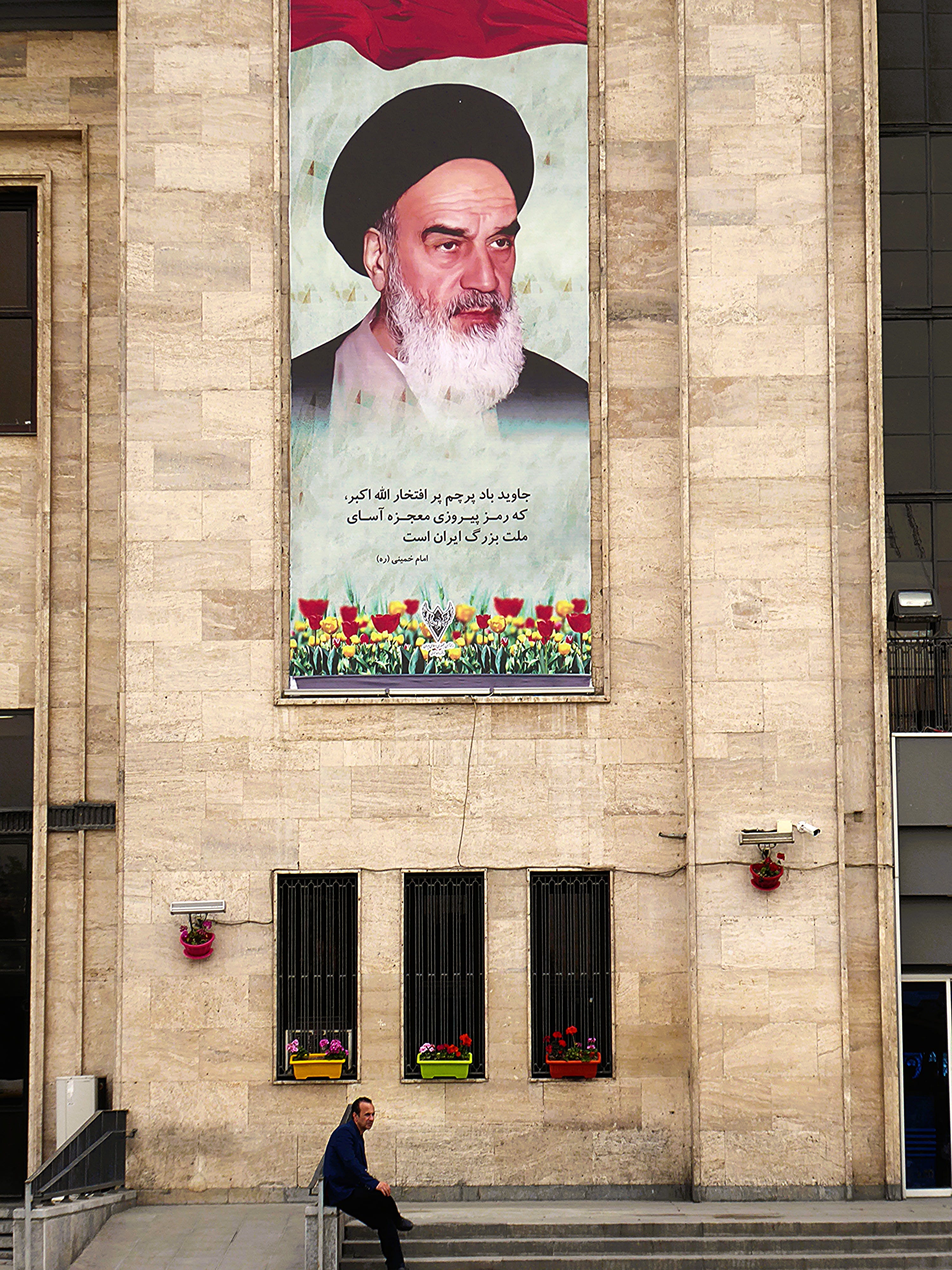
“May the flag of ‘Allahu Akbar’ fly forever,
for the triumph of this revolution is the victory of Islam
and the great nation of Iran.”
- says Khomeini, visibly worried that the flag may, in fact, not fly forever. Other than that, it appears a regular train station, with flashing commercials of mobile operators and financial services.
A tired employee in a black scarf welcomes passengers on the platform and directs them to the cars. His peculiar attire resembles to me that of an undertaker, but here he’s just the passenger guide. Cultural clichés are misleading.
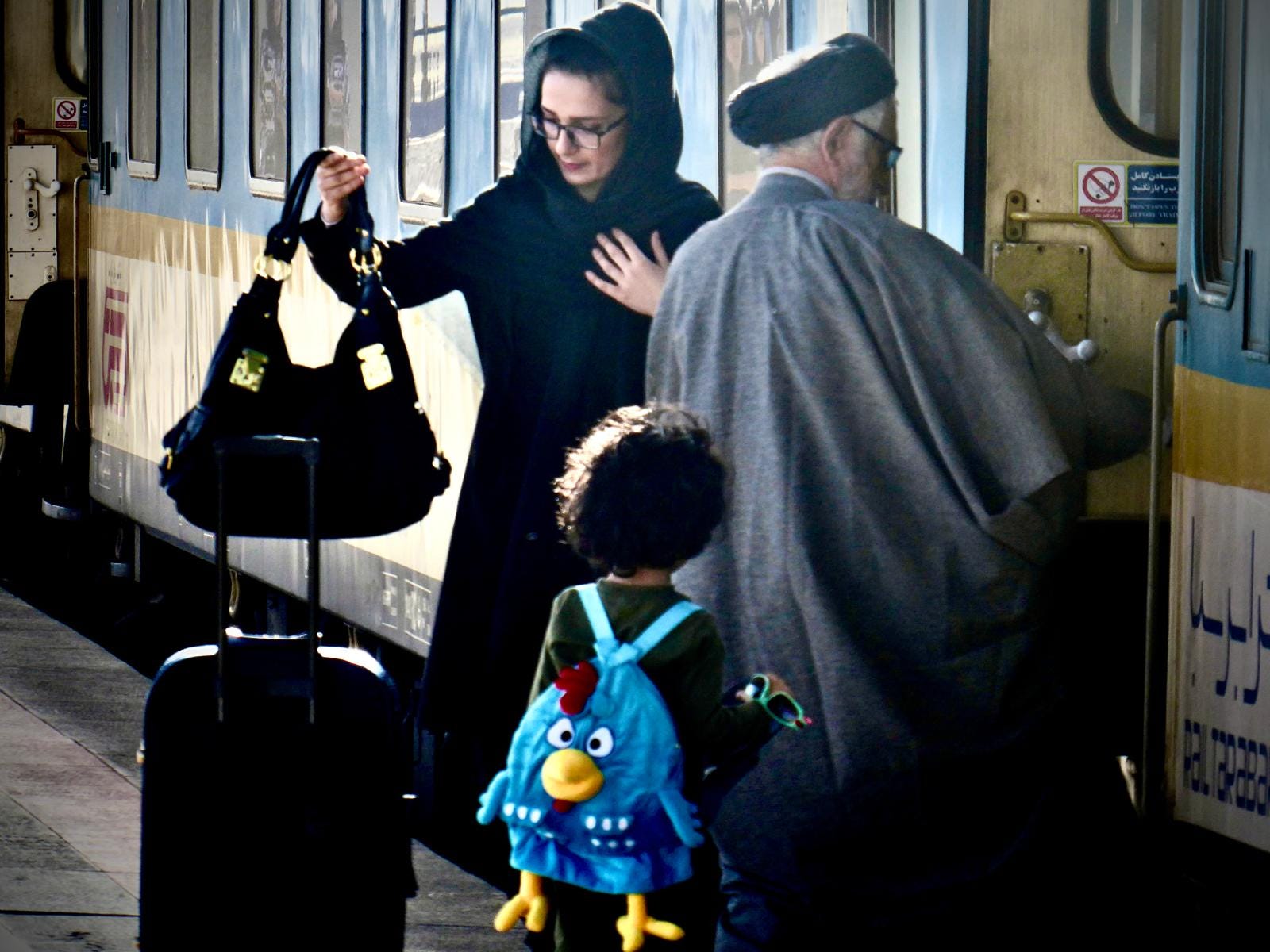
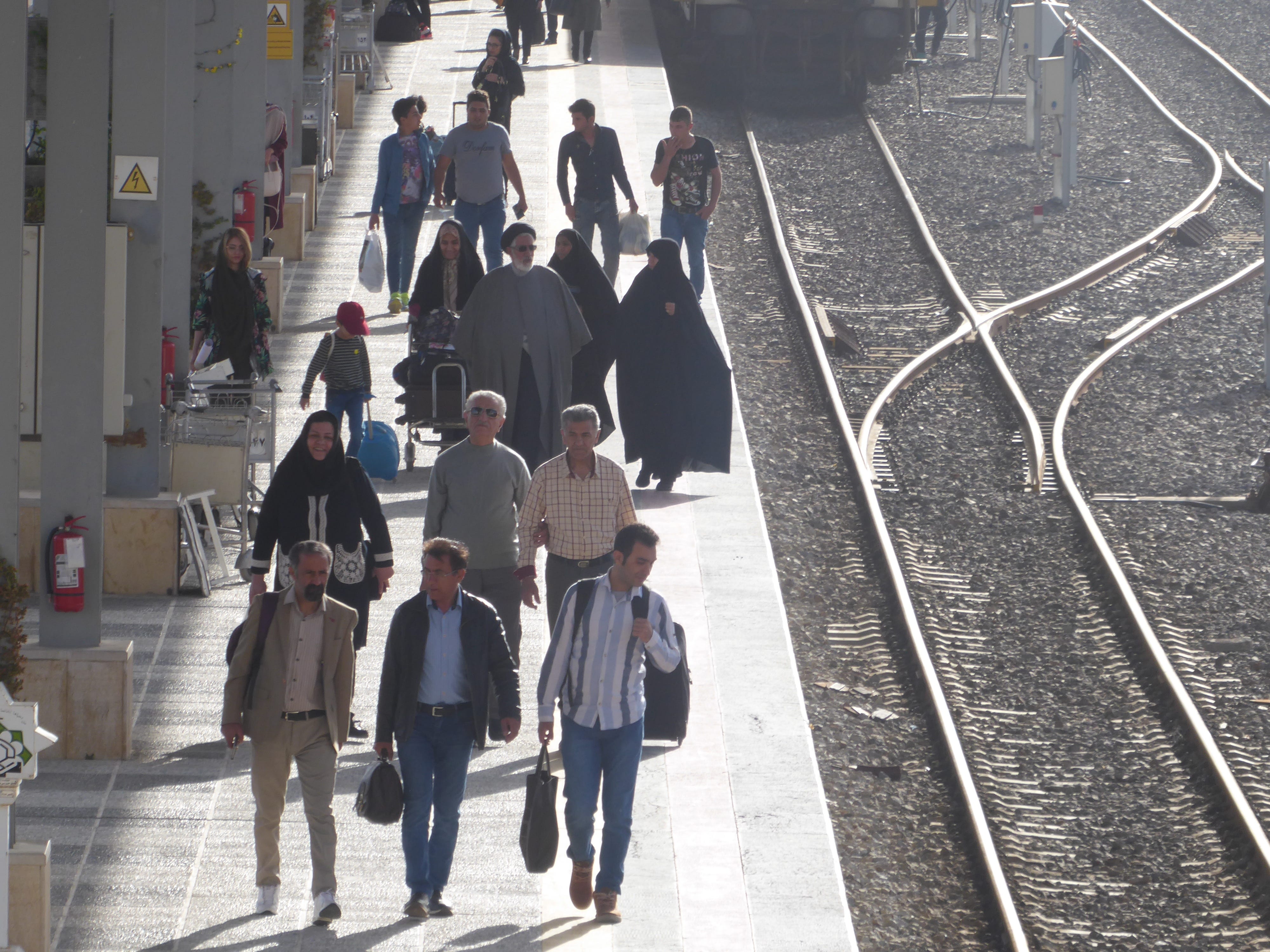
Embarking on the train, I take a photo of a family that I would long remember: a mullah in traditional robes, his elegant female companion, and a kid wearing an Angry Birds backpack. Just that. I thought: the whole Iran in one picture.
The moments of bliss
If I ever had an Orient Express-like experience, this is the one. Inside, the train is elegant. Tea is being served. Entertainment is provided on the TV screens. The manners of the train staff are first-class. My co-passengers are well-dressed and kind.
Inside our sleeping compartment, I encounter three men and a woman. We immediately engage in conversation. Soon, I’ve heard four life stories: that of a merchant, a lawyer, a mason and a teacher. The lady, who works for a legal firm, and the old shop owner speak a few words of English. The other man, who works in masonry, cannot understand English, but listens eagerly and responds in Persian, which they translate. The last passenger, a man in his 30s in a quality grey suit, is an exceptional character. Elegant, handsome, friendly, and fluent in French, which he says he teaches. He quickly takes the lead in the conversation. We discuss life and travel, things that power us in the morning and those that make us sad. I don’t dare discuss Iranian politics, understanding that the four people do not know each other, so the topic could be uneasy. But there are plenty of other things to talk about. I’m asked to tell stories from my land and I ask for theirs. I always collect stories.
We watch Iranian movies on the TV screen. They explain the humor to me. We laugh.
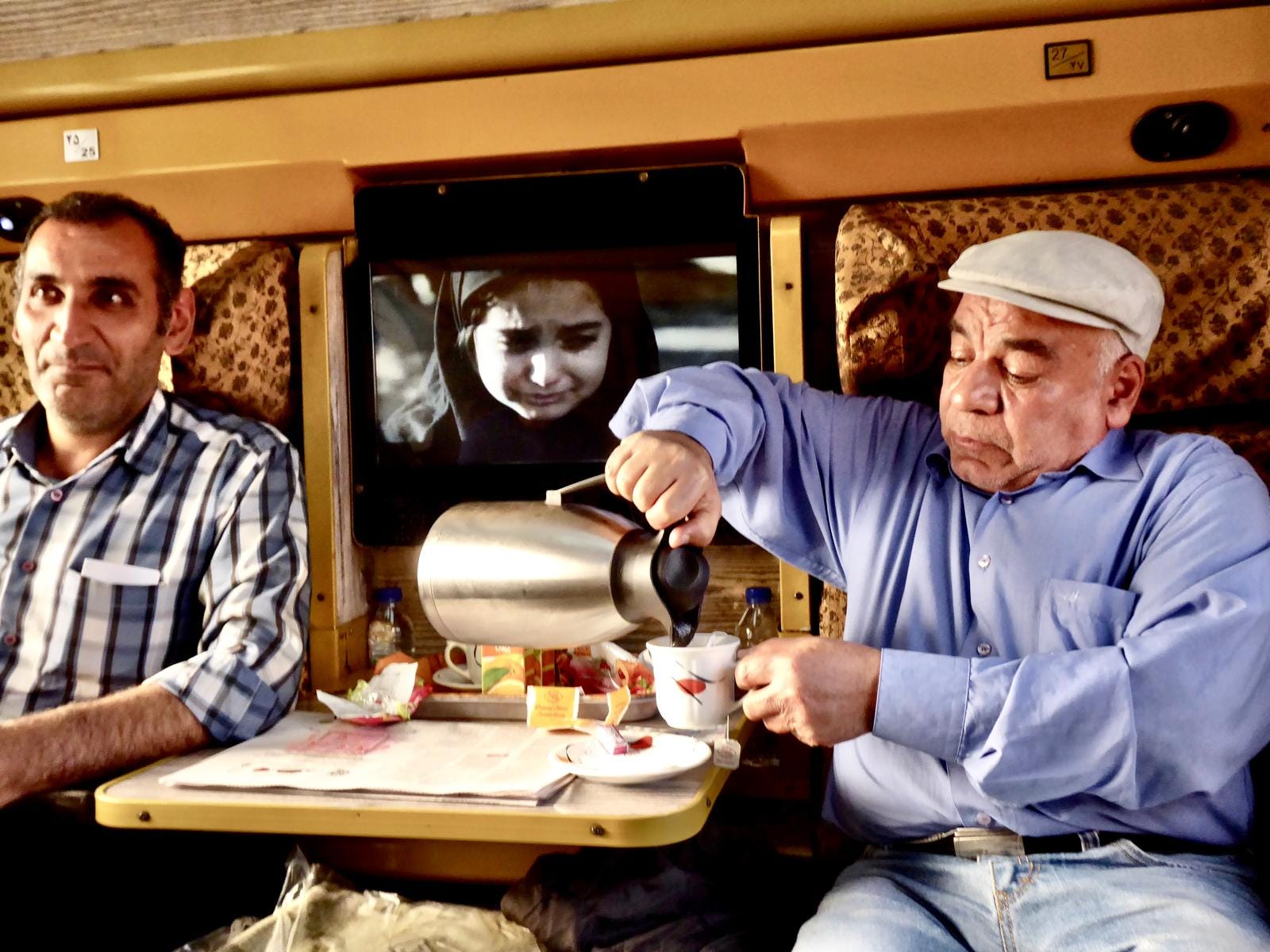
The old merchant does not speak much, but keeps pouring me tea. When the conversation pauses, he is eager to show kindness with gestures. The mason, when he finds no more things to say, just radiates with a smile. I might remember this smile forever. But it’s the company of the handsome French teacher in an impeccable grey jacket that I enjoy the most. When others doze off, we continue talking. I am invited to share my views on Iran and my travel plans.
These moments are full of bliss. It feels like in this unlikely company of five incidental travelers, I have met a friend for life.
Glitch in the matrix
Then something shifts.
After some time, the train staff enters to collect tickets. The female lawyer exchanges a few words with the staff, in a pleasant tone. I cannot understand, but the exchange appears friendly, without tension. The staff gestures for her to follow. She politely says goodbye and the four of us, the men, respond. She disappears, along with her luggage. The conversation, broken mid-sentence, resumes.
What had just happened? No one explains, but it’s clear something did happen. In the end I ask.
“She told the ticket collector that she felt uneasy sitting with four other men”, explain my co-passengers. “The staff told her there was a solution, and he took her to a women-only compartment.”
I am surprised. Somehow it feels strange. For a short moment, I wonder whether she felt particularly uneasy about one of us. Perhaps something got lost in translation? But soon I forget about the incident. I am tired.
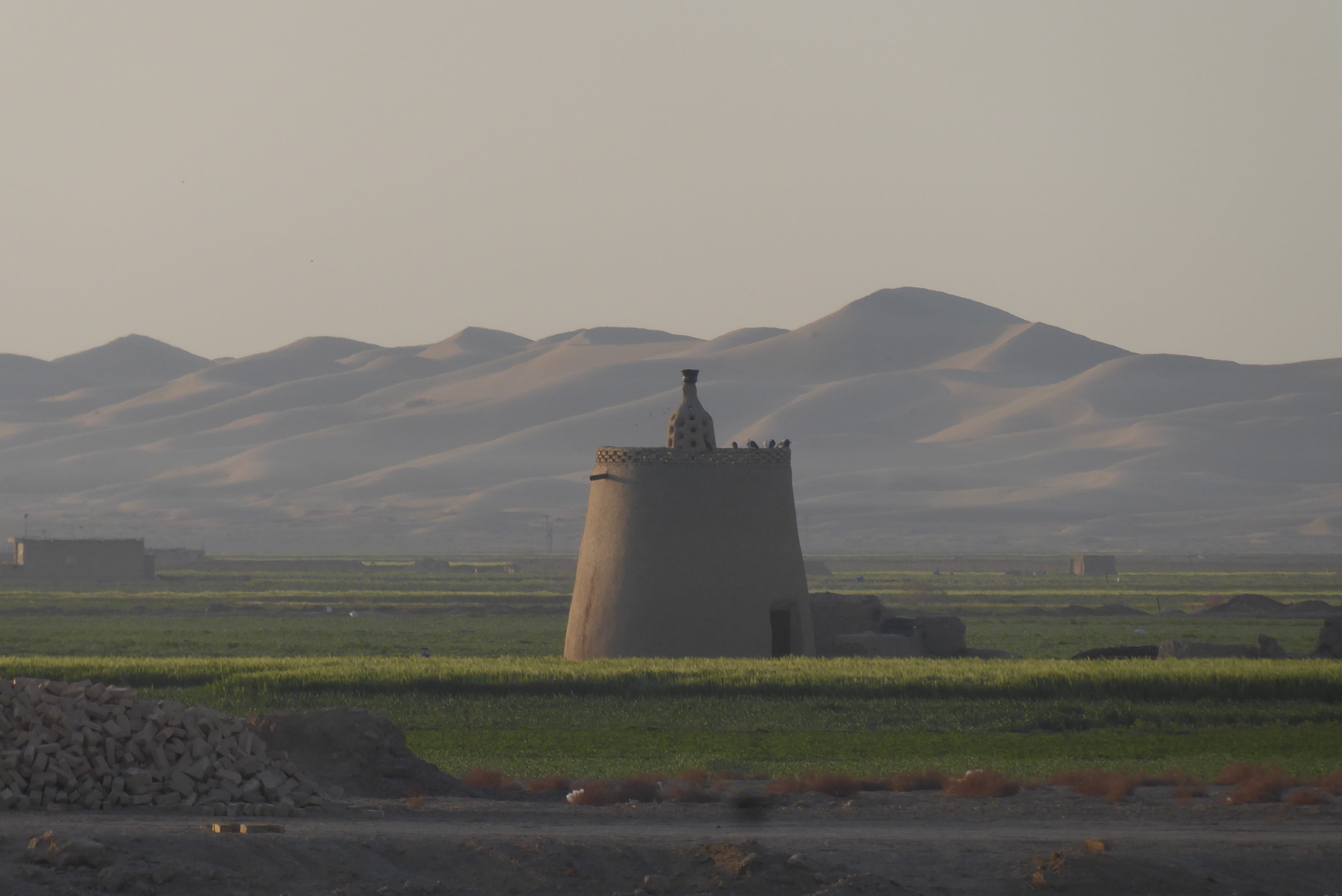
We pass the desert.
We pass the mountains.
We pass an old bridge, magnificent in the red rays of the setting sun.
The sun sets, and we make our beds. The mason and the teacher move to the upper bunk, while the merchant and I take the lower.
In the steady clatter of the wheels, we go to sleep.
Waking up to reality
Next morning the train slowly arrives to our destination.
The air is crisp, and the sun is strong. It is still early, a nice breeze in the air.
Time to say goodbye. Over one night, I’ve built a brotherly bond with my French-speaking interlocutor. I feel impressed by his broad, international perspective, and sorry that such an intelligent person has never been abroad. He puts on his grey jacket, leaves the train and waits for me on the platform, to bid farewell. I follow.
We exchange Instagrams, take a smiling selfie and hug.
As he walks away, he brushes his shoulder against a smiling elderly man walking towards me with his wife. This catches the old man’s attention. He stops, turns his head and looks after the disappearing figure in the grey suit with some concern. The couple then turn back to me, smile again and we shake hands. These are my Bahá’í hosts.
“What about your friend, who just left”, asks the grandpa, “How long have you known him?”
“We only met on the train”, I say. “What a coincidence: he spoke perfect French. Now we are friends.”
“And how much did you tell him about us?”
At this point, a shiver comes down my spine.
I go pale, lean against the wall and start rapidly going through my memory, recalling the last night’s conversations. I want to cry, cursing my stupidity and naivety.
“Do you think what I think?” the grandpa asks his lady. “Yes, we think the same thing”, she responds, with a tired but unwavering voice. “Secret agent.”
Post Scriptum
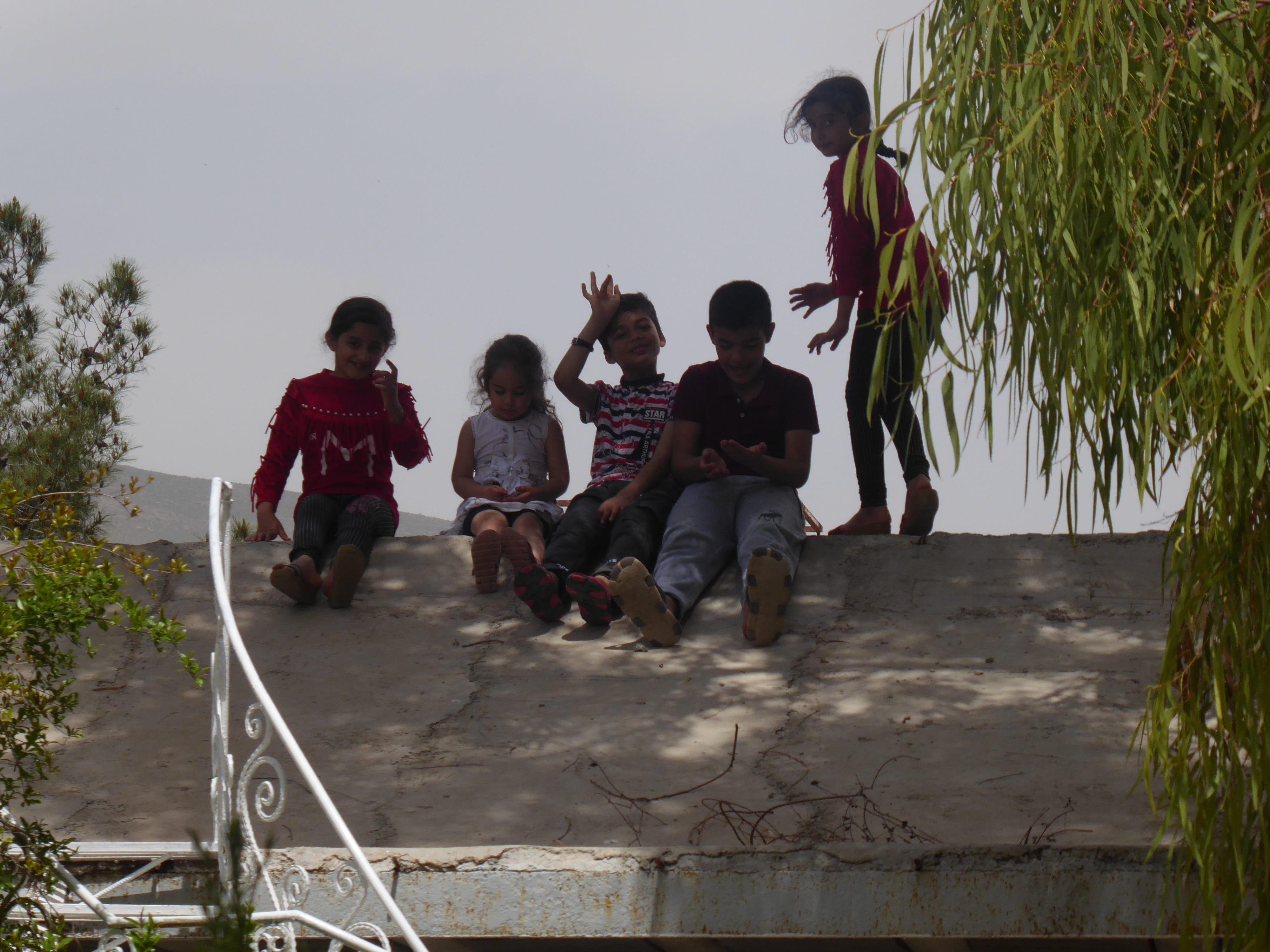
I then spend almost two weeks with the Bahá’ís. I received an enormous amount of hospitality and kindness, and gained a daily insight into their lives. Many times they said it was an honor for them to host me. In fact, the honor was theirs to give and mine to receive.
I also learned about their reality: being barred from universities, excluded from government employment, their cemeteries desecrated, their holy sites demolished. But the starkest part was the personal stories. All adult Bahá’ís I met have been imprisoned at least once in their lifetimes. Many have been imprisoned multiple times, facing physical and psychological torture. The young ones, who had not yet known prison, were already preparing for the same fate. The oppressors paid no attention to the age of the victims. Day by day, I was told stories of heroes and martyrs, like Mona Mahmoudnejad, hanged at 16 for her beliefs.
The words that shocked me at the train station were part of their brutal reality. In this community, the infiltration and interrogation by agents of the secret intelligence was not imagination but daily norm.
Fast-forward to today.
Six years later, during which, from outside Iran, I have been in contact and following the news. Many of Iran’s Bahá’ís remain imprisoned. The situation has changed from bad to worse: Human Rights Watch report on recent tsunami of arbitrary arests. But the worst has arrived after the recent US attacks: uncoordinated, unthought-through and marked by lack of restraint and disregard for consequences.
One of those thousand stories is that of Roya Sabet, a Bahá’í citizen residing in the United Arab Emirates for 23 years, who traveled to Shiraz in 2024, to care for her elderly and ill parents. She was arrested and sentenced to 25 years in Shiraz’s Adel-Abad Prison, widely known for its harsh environment. After a long period without any updates, just last week Roya Sabet briefly spoke to her family over the phone. She said that since the start of the war, 49 prisoners have been confined to a single small room, a cramped space without access to fresh air or basic sanitation.
While the story of the brave Roya is public, others will never see the light of day. The remaining 48 women in her cell will remain anonymous even to those few of the international public who care.
* * *
Words have power. What does it mean to write a story? Or read one? Certainly, it is not an act of bravery. Rather, it is an act of basic responsibility. It is the least we can do.
Read more stories from Iran
Read stories from Ukraine
Other stories grouped by country
There is something uniquely cynical about using the pretext of external war to increase persecution of minorities within. I have never understood what could be so threatening about the Baha'i.
Thank you for this timely & enlightening post.