
No Taboos in Tehran
Iran, where friends live. Part 1.

It is early 2019. I receive an unexpected email. A Tehran University professor, unknown to me, asks if I could run a workshop at their scientific conference. “Except we cannot pay you,” she says. I ask whether they could at least contribute to travel expenses. They cannot. She is kind and apologetic. That is the reality for the university in Tehran, due to draconian sanctions and low rates of their currency, she explains.
In polite words, I refuse. I know my daily rate and have better things to do professionally than travel far away at my own cost.
But that evening I give it a second thought. The thing is, Persia has always been my dream destination. And now, I finally get a chance. What if I planned it as a holiday?
The next morning I call her. She confirms they could sponsor a visa for a month. We make a deal.
This is how I ended up in Iran.
“You Will Stay With My Sister”
I have one Iranian friend, Khatereh. She owned the house where I lived in the UK years ago, and we then became friends. We haven’t spoken for years though. I write to her immediately.
“Hey, I will travel to Tehran.”
She responds in half an hour. She writes, quite simply: “You will stay with my sister.”
That’s not even a question… that’s a statement. Khatereh takes over and starts planning my visit already. Of course I accept. This was my first exposure to Iranian hospitality.
A Visa Lottery
On the airplane I befriend two backpacking Brits, Alex and George. They have no visas. They are going to try their luck and obtain visas on arrival. “It can be a lottery” says George “but we are giving it a go.”
After landing we lose each other in the crowd waiting for passport control. Luckily I pass through easily. The university has done a good job, my passport gets stamped quickly, no questions asked.
Right behind I stumble upon Alex. He gestures urgently toward George, who stands behind a glass door. Both look pale and agitated. Alex has received a visa, but George has not. Alex must continue the Iranian trip alone while George needs to find a flight back to the UK. They yell at each other through the glass, trying to make plans. The situation is absurd.
A Family Home in Tehran
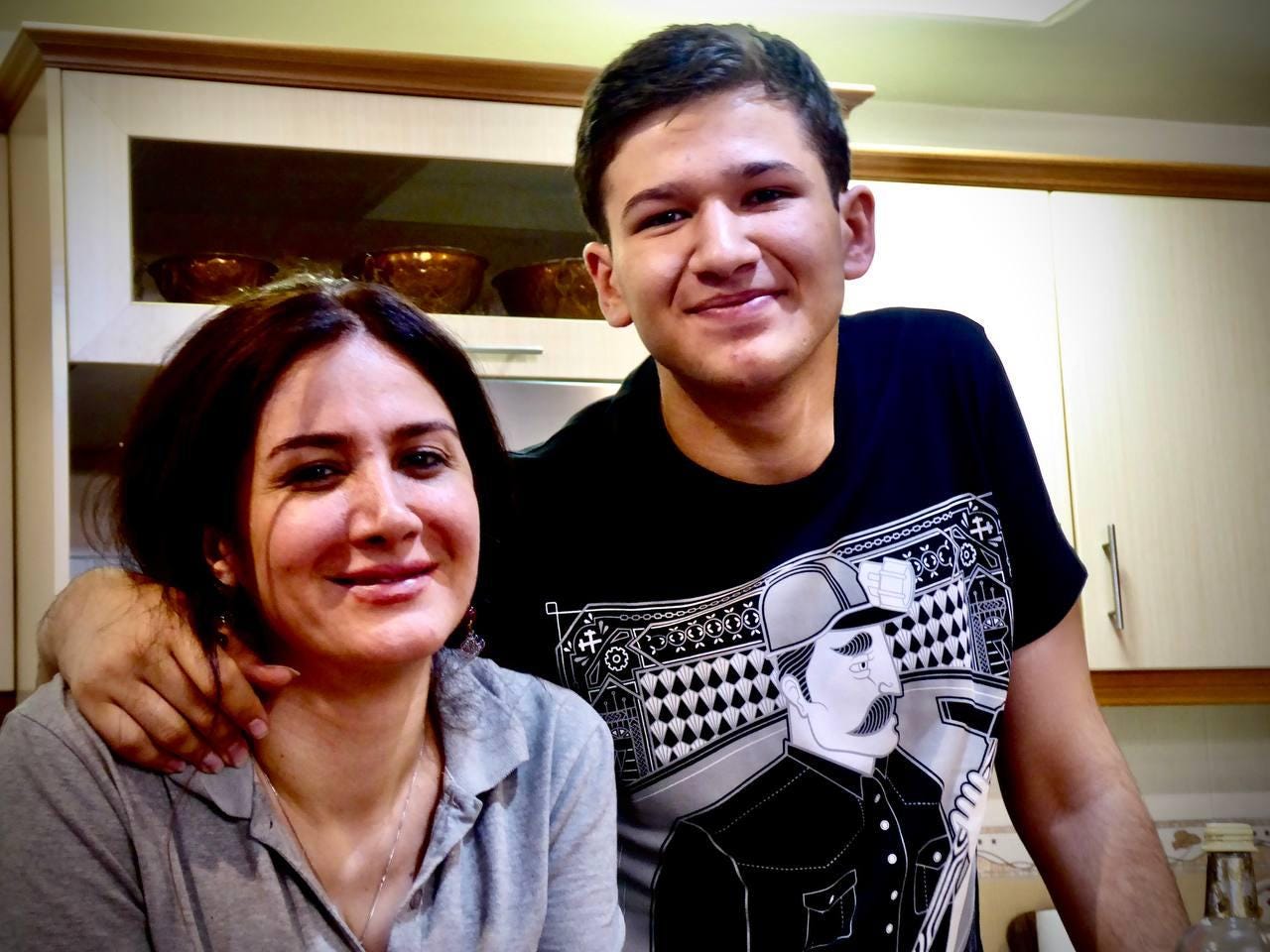
In Tehran I am welcomed by Tolou (Khatereh’s sister), her husband, and their two sons. I am given a room. One of the boys agrees to give up his space. I check with him whether that’s okay, but he smiles wide. It is. I am invited to stay as long as I wish and participate in daily family life.
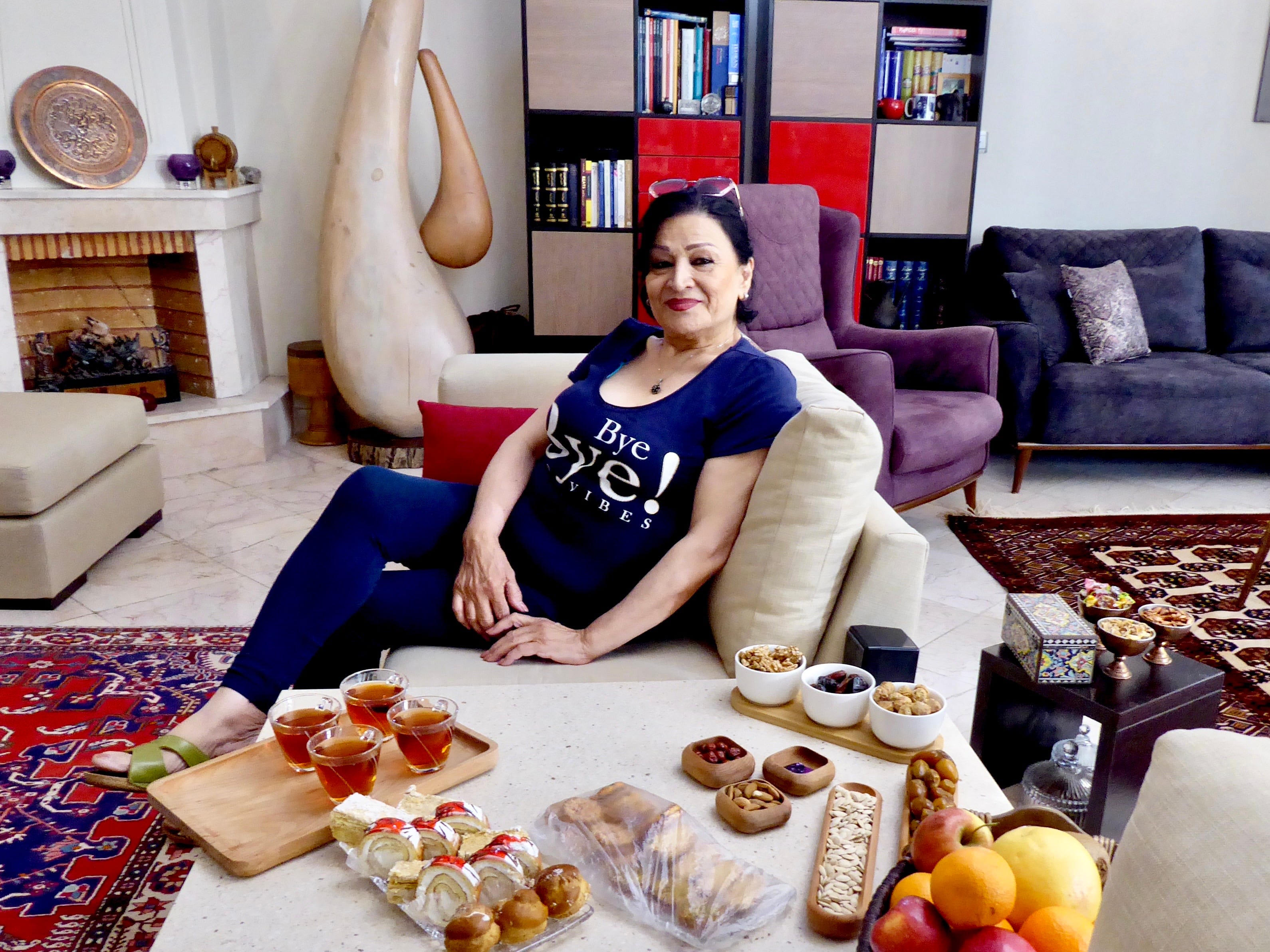
Tolou’s apartment is modest, tastefully decorated and modern. Nothing strikes me as unusual. This could easily be a family home in Germany or the Netherlands.
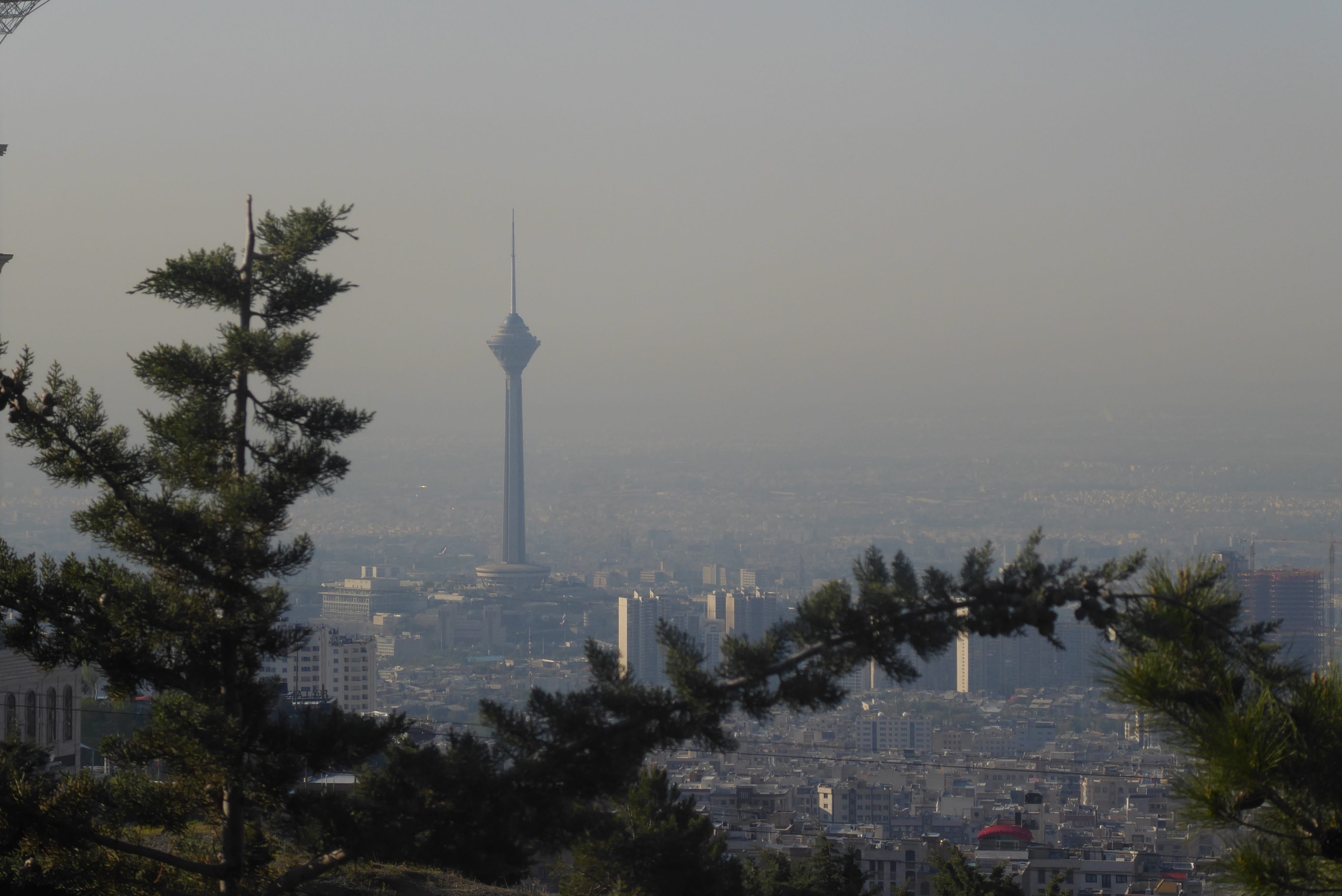
Later we walk out, and I observe the streets, the cars, the people. This could be Europe, I think again. Yes, I see hijabs. But frankly not more than in London or Paris. To me, Tehran feels strongly European. It does not feel at all like Doha, Abu Dhabi or Istanbul. Perhaps the backstreets remind me rather Bulgaria, Georgia, or Poland thirty years ago.
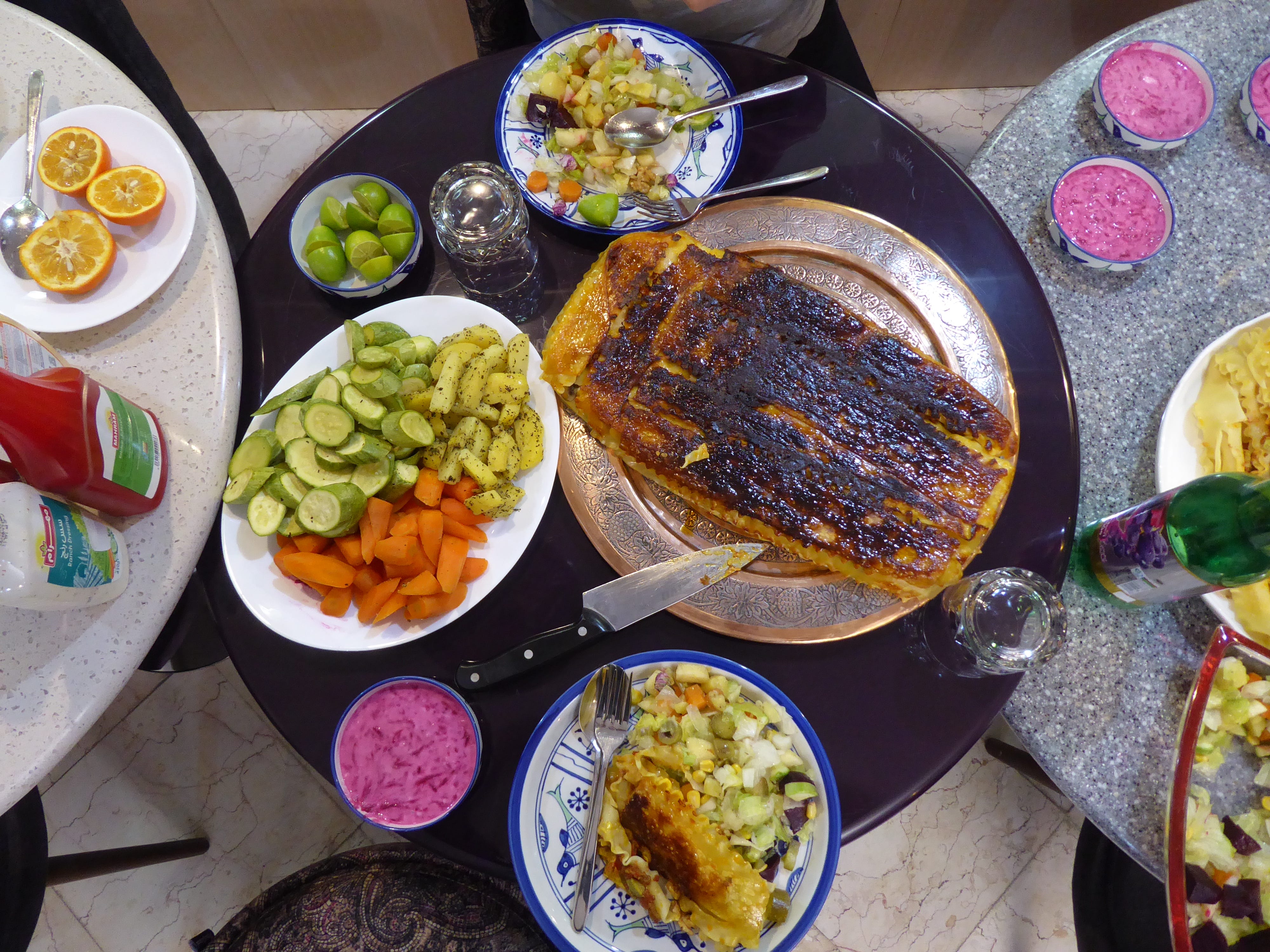
Quickly I feel part of this middle-class family. We go shopping together, we walk in parks, and sometimes I accompany Tolou to her business meetings.
Conversations without taboos
Tolou invites her mother and family members so I can meet them. Meanwhile, I visit the university to prepare for the conference. There too I quickly make acquaintances. We spend long hours talking. At first, I am cautious with conversations. But soon, to my surprise, I discover that I can freely discuss any topic.
We talk about politics, religion, women’s rights and history. I receive thoughtful and honest responses and never feel crossing a line. Very few topics are taboo. Three surprising examples.
Women
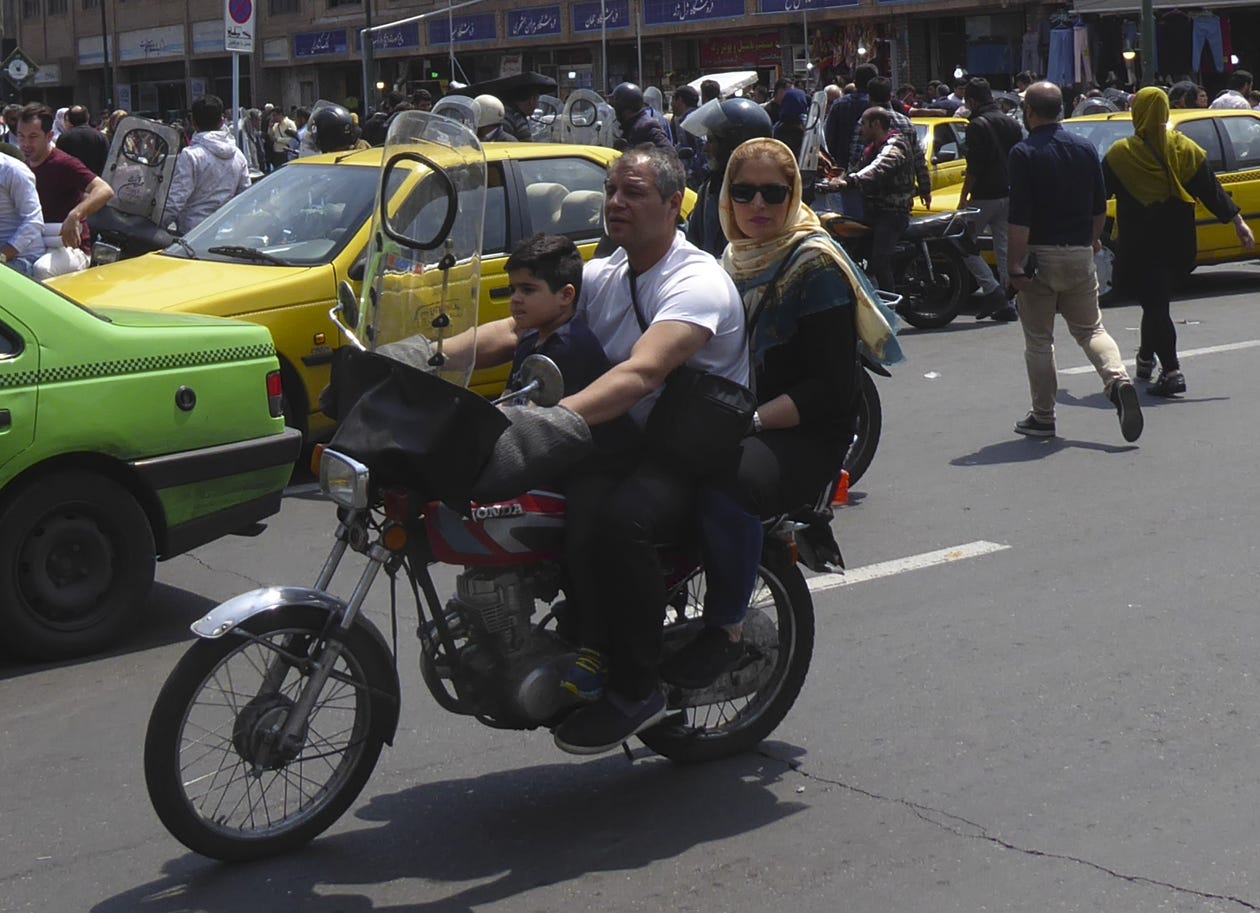
One day at the conference I am approached by a resolute female student in her twenties, wearing a hijab like the other girls. She offers to show me around Tehran in the afternoon.
I gladly accept but soon begin to worry. It’s not a date, but still - in Arab countries I visited, a young local woman walking in public with a foreign man could create serious problems. I am not sure if I can accept her offer. So I consult people I trust. Is this appropriate? Could I put her in danger? My friends listen carefully, then I receive this simple answer.
“Not to worry. If she is over eighteen, she can do what she wants.”
I am quite surprised. I compared this to my memories from Egypt. In tourist areas local boys regularly approached European girls. If one of them succeeded, he would quickly post pictures on social media. Sadly, for Egyptian girls it was different. Those few who dated foreign men, did so secretly, fearing social ostracism. Some of the stories I heard were truly dark. “Egypt is a country of double standards in sexual matters,” one young woman once told me quietly, when she was sure no one could hear us. She spoke perfect English and worked as a lawyer for an international firm in Cairo.
I was surprised that educated people in Tehran seemed to enjoy far greater social freedom than educated people in Cairo. Here in Tehran the topic of women’s rights appeared frequently in conversations.

Israel
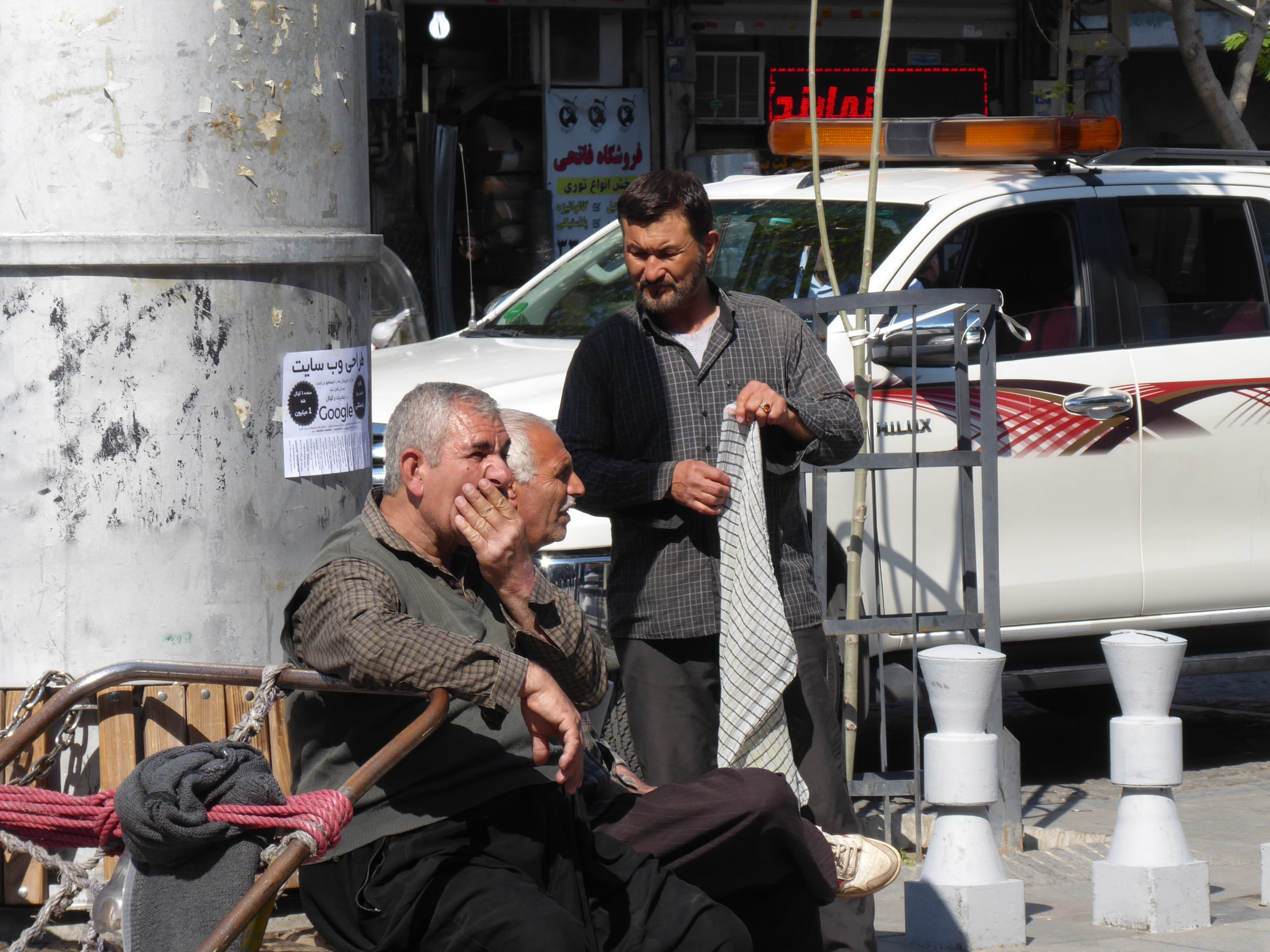
One evening at dinner I took a risk and asked about people’s feeling toward Israel. I received this response from a man next to me: “The hostility between Iran and Israel is the greatest stupidity. Both governments probably need it as a distraction from their corruption and incompetence. Think about it. We do not even share a border. What could we possibly gain from conflict?” People around him nodded.
What shocked me in his response was how openly the man shared such a sensitive subject at a table full of people.
I could compare this with a business dinner I once attended in one of the Gulf states (GCC region). On the way to the meeting I spoke with my local partner Wael, and incidentally mentioned I had Jewish friends. Wael interrupted me sharply. “Beware. At the dinner, mention Israel and we are out of business in no time.”
The topic itself was forbidden in the Arabian Gulf . In Tehran, I did not feel this.
Religion and National Politics
The other area that is often touchy in the Middle East surrounds questions of nationalism, ethnicity, religion, and national pride.
I once spent a month in Turkey. People were extremely polite, friendly and hospitable. I backpacked and stayed in so many homes. But there were strict boundaries on what could be discussed.
Certain national symbols could not be questioned. Atatürk, the father of the nation, was untouchable. There were no other nations in Turkey, only Turks. I once spent a night with Laz shepherds in remote mountains (Laz is a Black Sea coast ethnic minority). When I later told the story in Ankara, I was immediately corrected: those people were not Laz, but Mountain Turks. Kurds were not to be mentioned either. In Turkey, there was no discrimination between religions. There were no problems with women’s rights. And there was no Armenian Genocide (”Do you mean the attacks by Armenian criminals?”)
In Turkey, the list of taboo subjects was long and exhausting. At the table, more than once I found myself silent, knowing that if I mentioned topics that interested me, the friendship would be put on trial.
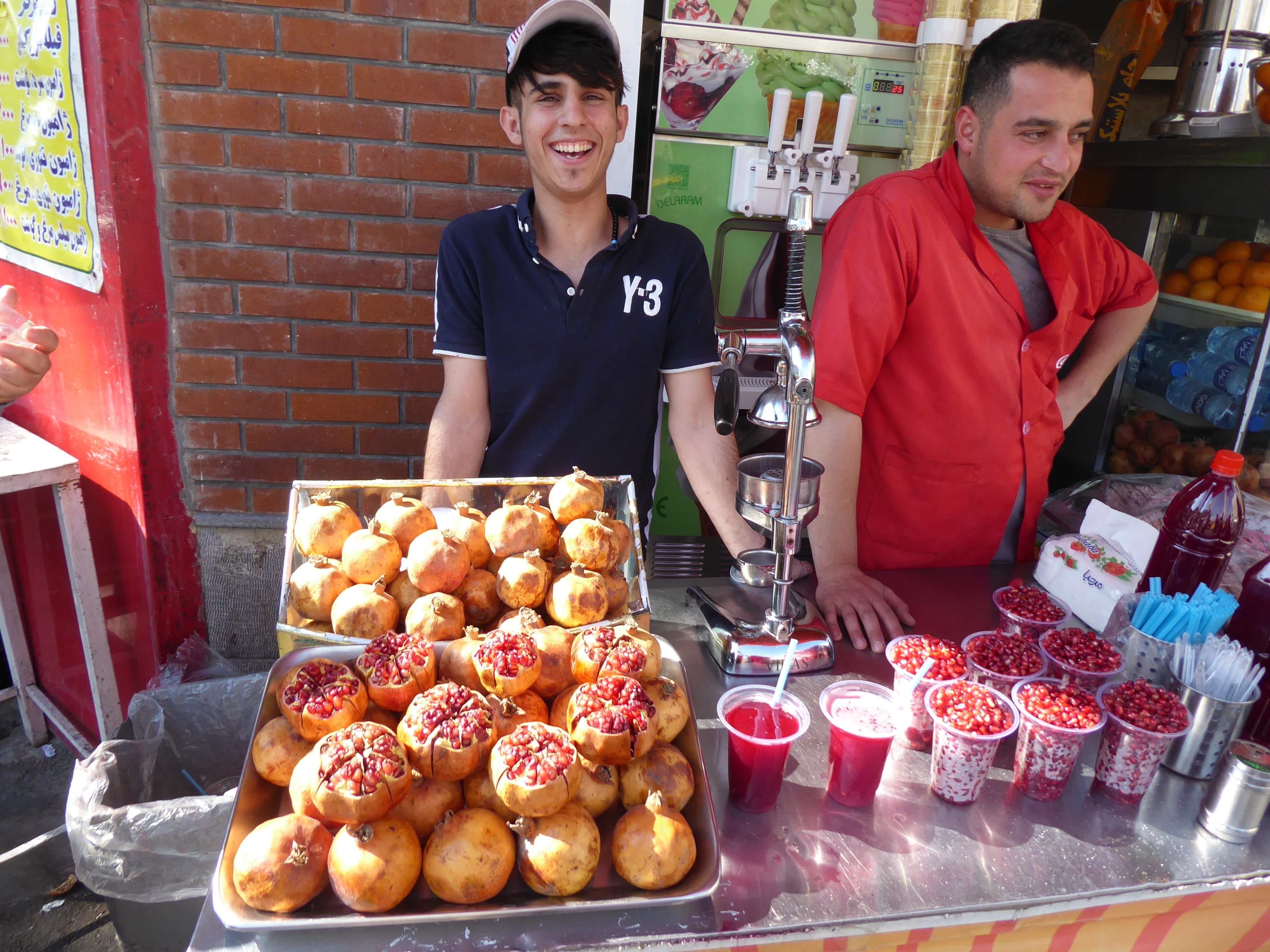
Tehran was different. People I met spoke openly about the religion, ethnicity, or government, often with irony. The oppression of non-Islamic religions - including the Baha’i, many of whom I met - was a known and conspicuous fact. Not a taboo, just the contrary: something vividly and openly discussed.
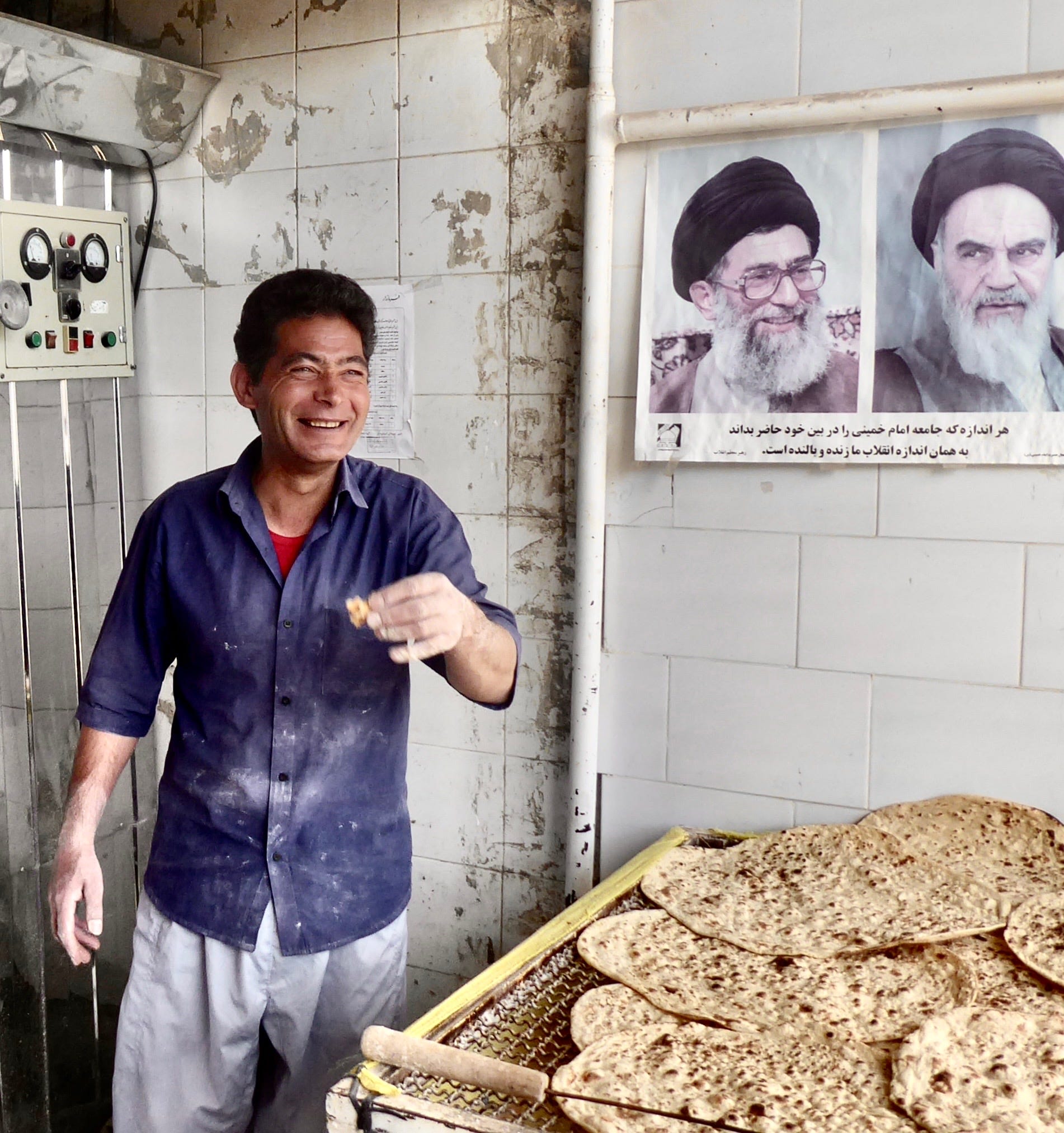
What I mostly heard in private conversation was criticism of the Mullahs as backward or incompetent. The mainstream perception of the Islamic Republic government was not as violent tyrants, but as idiots.
“We were a normal country. Until the Mullahs came.”
My biggest surprise
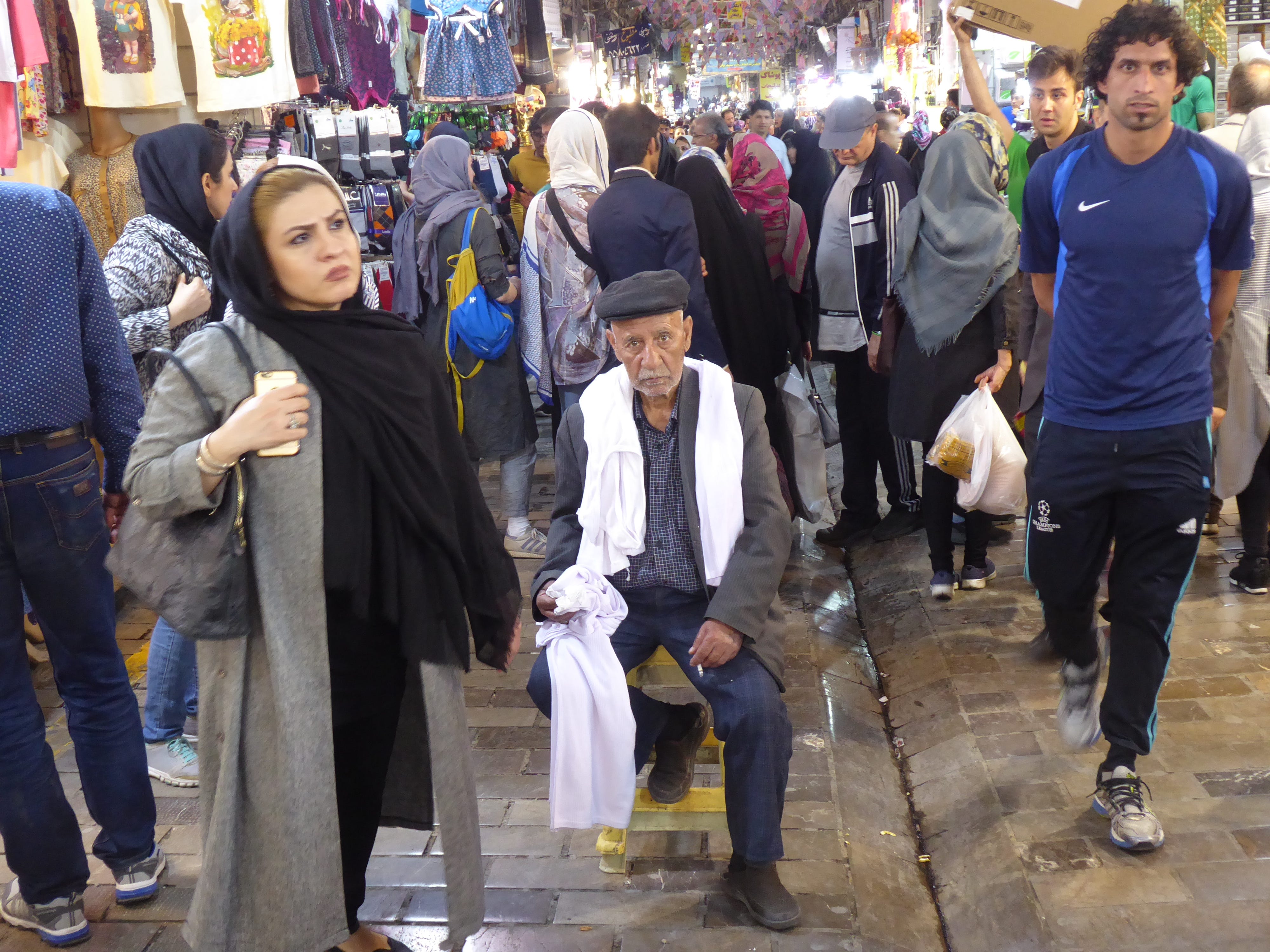
In summary, my biggest surprise in Iran was how modern and close to Europe this society felt, in terms of social norms, the topics of conversations, natural freedom of expression, and the core values.
I was well aware that the people I spoke with mostly represented the more modern segment of society, certainly not a representative sample. However, the situations I described above in other parts of the Middle East also involved educated and modern persons. In those countries I constantly felt that I had to walk a narrow line in conversation. In Tehran I never felt that.
Toward Shiraz
“Where is your next stop?” Tolou asked me one day.
“I have a month to spend. I was thinking about traveling around the country.”
“Why not go to the historic city of Shiraz?”
“I heard it is beautiful.”
“Good. You will stay with my aunt.”
This is how I ended up in Shiraz. That, however, is the next story.
Post Scriptum
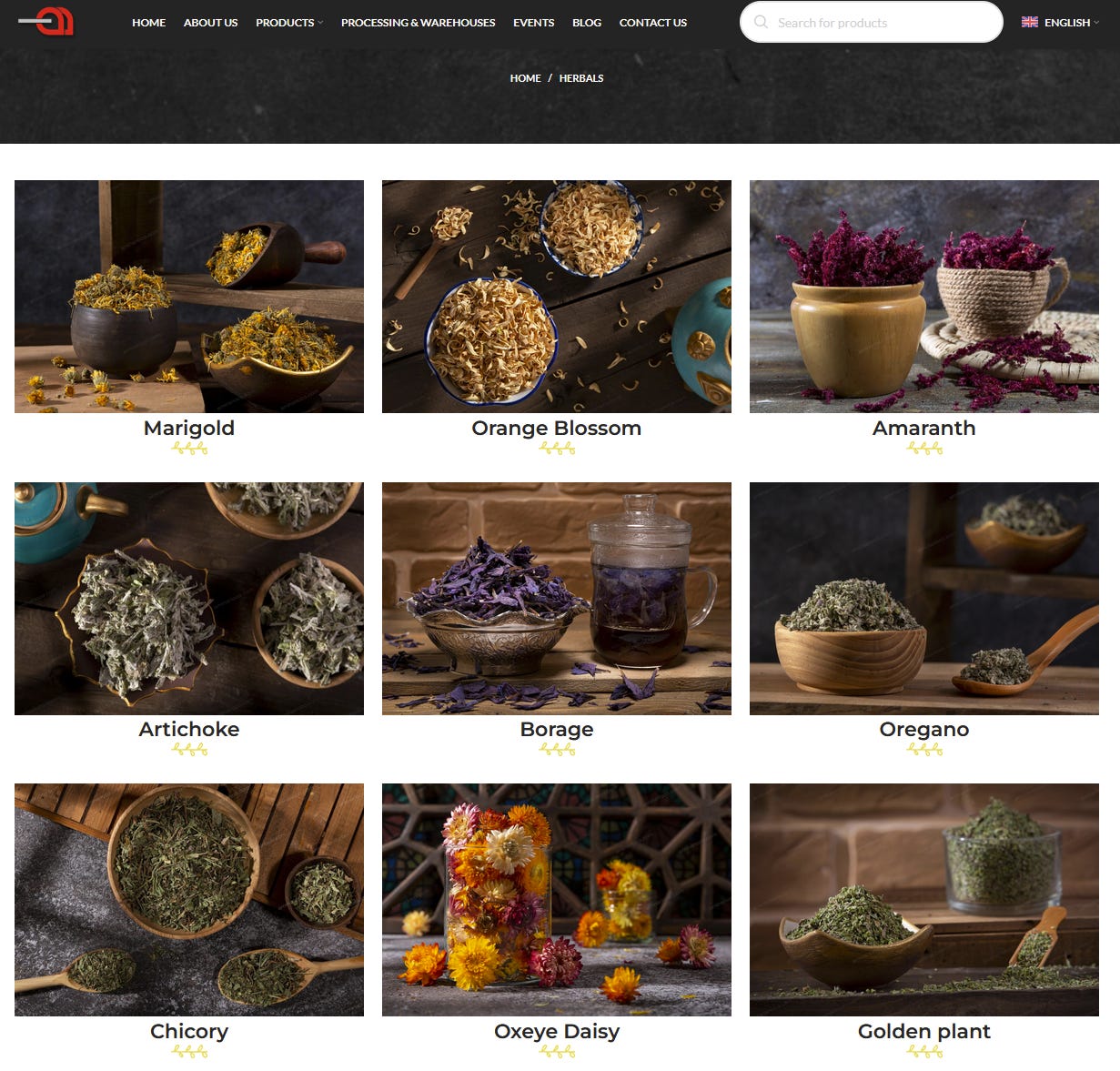
People I in this story are real. Tolou runs a herbal business. She successfully trades Iranian tea, herbs, dried fruits, and rare spices, 100% natural. They are wholesalers and they ship internationally. Needless to say, running such a business in Iran is extremely tricky and difficult, requiring courage, improvisation and plenty of energy. It would make me smile if this story resulted in even one new client for the Iranian tea. Here’s the website of Amin Ario Rad Paydar Trading Co, and a screenshot of their products, characterized with typical Persian aesthetics.
Very interesting. Hope they’re all OK?
It breaks my heart to think that so many good people in beautiful countries with such rich cultures have to suffer because of some destructive idiots who are playing their petty, deadly games. Hope your friends will stay safe.