
The loneliest night
Poland. How I lost and found Christmas

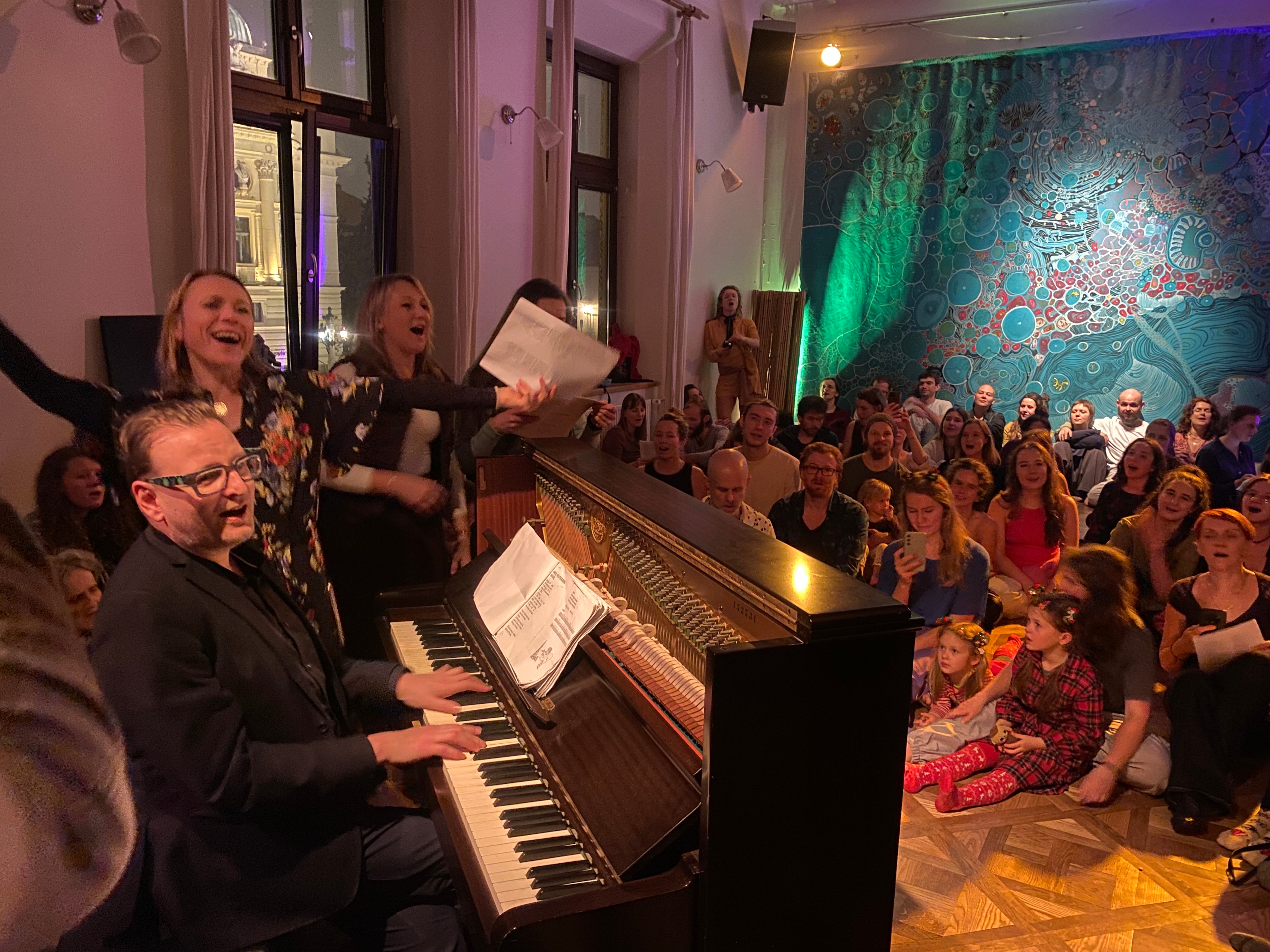
Darkness shattered by light. A small baby in the arms of her mother. The Word was made flesh.
In Poland, Christmas is the cornerstone of custom and heritage. Of all recipes an average Pole would recognize, many are Christmas dishes. Of all traditional songs he or she knows, perhaps half are Christmas songs. On the night of Christmas Eve, families unite and time stands still.
How I lost Christmas
I grew up with these traditions and symbols. They spoke strongly to my child’s mind. Christmas Eve was magic. And that magic had nothing to do with Santa in a red suit, elves, or reindeer. It was unspoken. I felt the air of that night was dense, as if generations of those who came before us were here.
Until I was a teenager.
One day, the magic of Christmas disappeared. Not because I was told there was no Santa. It disappeared because of the empty plate.
Among the many Christmas traditions, there is one of an empty place. Every Polish Christmas table should have one.
A family of five would lay six plates. A family of twelve would lay thirteen. That last plate is left for a stranger, a random wanderer who might, at any moment, knock at the door. He would be let in, welcomed, and invited to sit with us. Because two thousand years ago, a traveler with his pregnant wife knocked at many doors and was not let in.
Well.
It so happened that a foreign friend of mine wrote to ask if he could come and stay. Upon receiving his message, I rushed to my family and said that this time the empty plate would not be empty. We would have a real wandering stranger coming.
The elders looked at me and, after a moment of silence, I heard the response: “Christmas is not a good time for house guests. This is a family celebration.”
It was like a cold shower. I understood then that the empty plate was meant to stay empty. The wandering stranger was not supposed to really come. We preferred that he remain an imaginary symbol.
This is how I lost Christmas.
The loneliest night
Many years later, I was going through an exceptionally difficult time. My previous life had shattered. I ended up alone. I had no courage to call friends. I walked the streets at night with no goal.
Christmas was coming. That was not an easy thought.
For the lonely in Poland, this is the worst night of the year. Restaurants and cafés close, as do malls and movie theaters. The streets are empty, because everyone is with their dear ones. There is nowhere to go except home, if you have one.
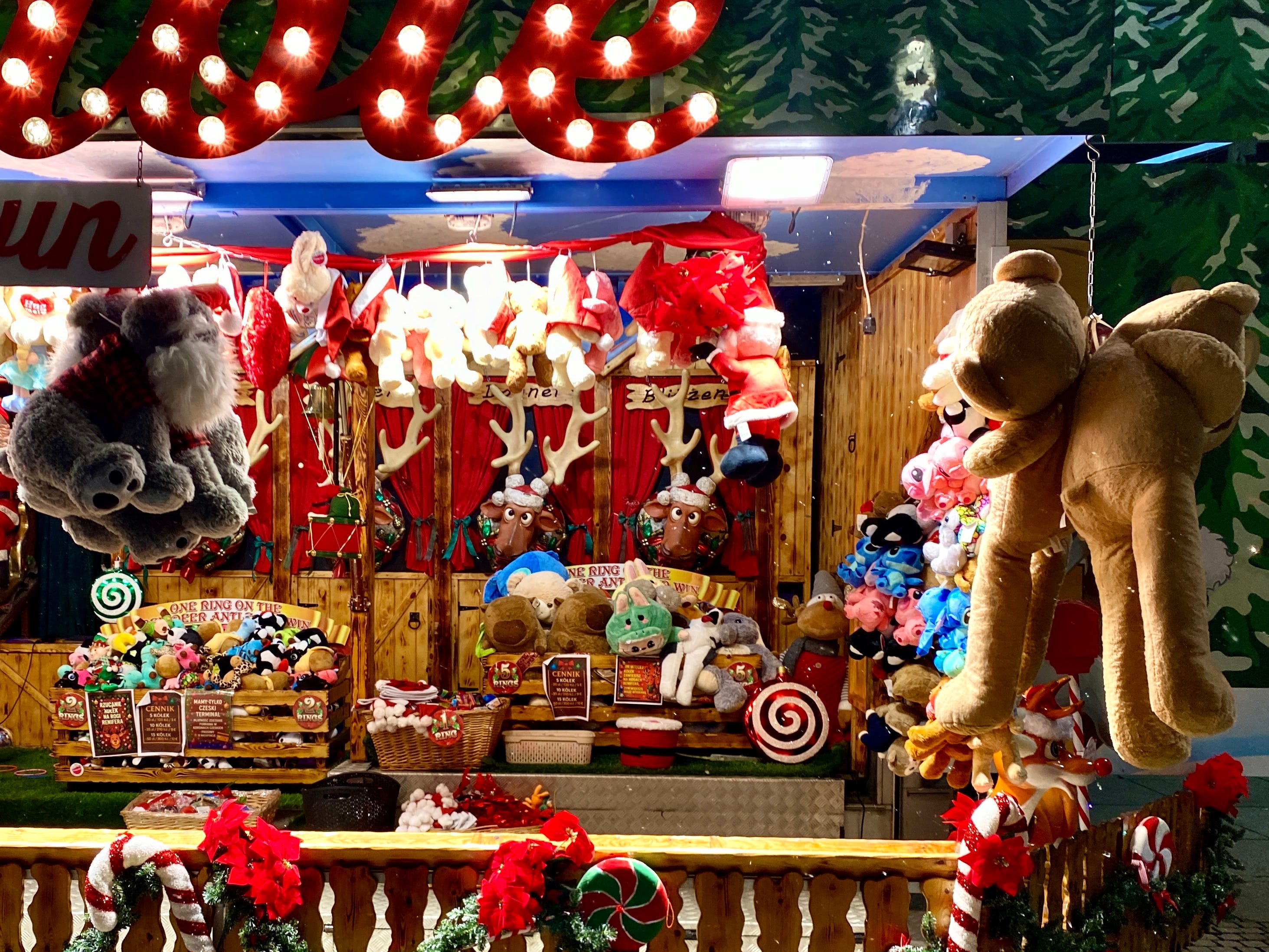
Worst of all, on those empty streets, you find decorations that are truly depressing. They have nothing, absolutely nothing, to do with the Christmas spirit of my childhood: the star of hope cutting through darkness. Instead, on display are infantile, groan-worthy images of fat, Americanized Santas in red coats, angels grinning like idiots, and drunk reindeer.
To avoid spending Christmas alone with all this, I searched for an opportunity to do something useful. I found Christmas Dinner for the Lonely. They were looking for volunteers to help. I signed up. One of the best decisions of my life.
The Free Seat Foundation
Twenty years ago, Mikołaj, a man very much like me, was walking the streets on the loneliest night. Empty, sad Christmas streets with “Merry Christmas” posters. Then he spotted another man. Their eyes met. He understood the man had nowhere to go. He thought for a second, then approached the stranger and invited him home. The stranger smiled and accepted. They dined together.
This started an annual tradition. The next year, Mikołaj invited more people to his home. Many of them were homeless, poor, and broken. His friends came to help. The tradition grew. Over the years, the event became massive.
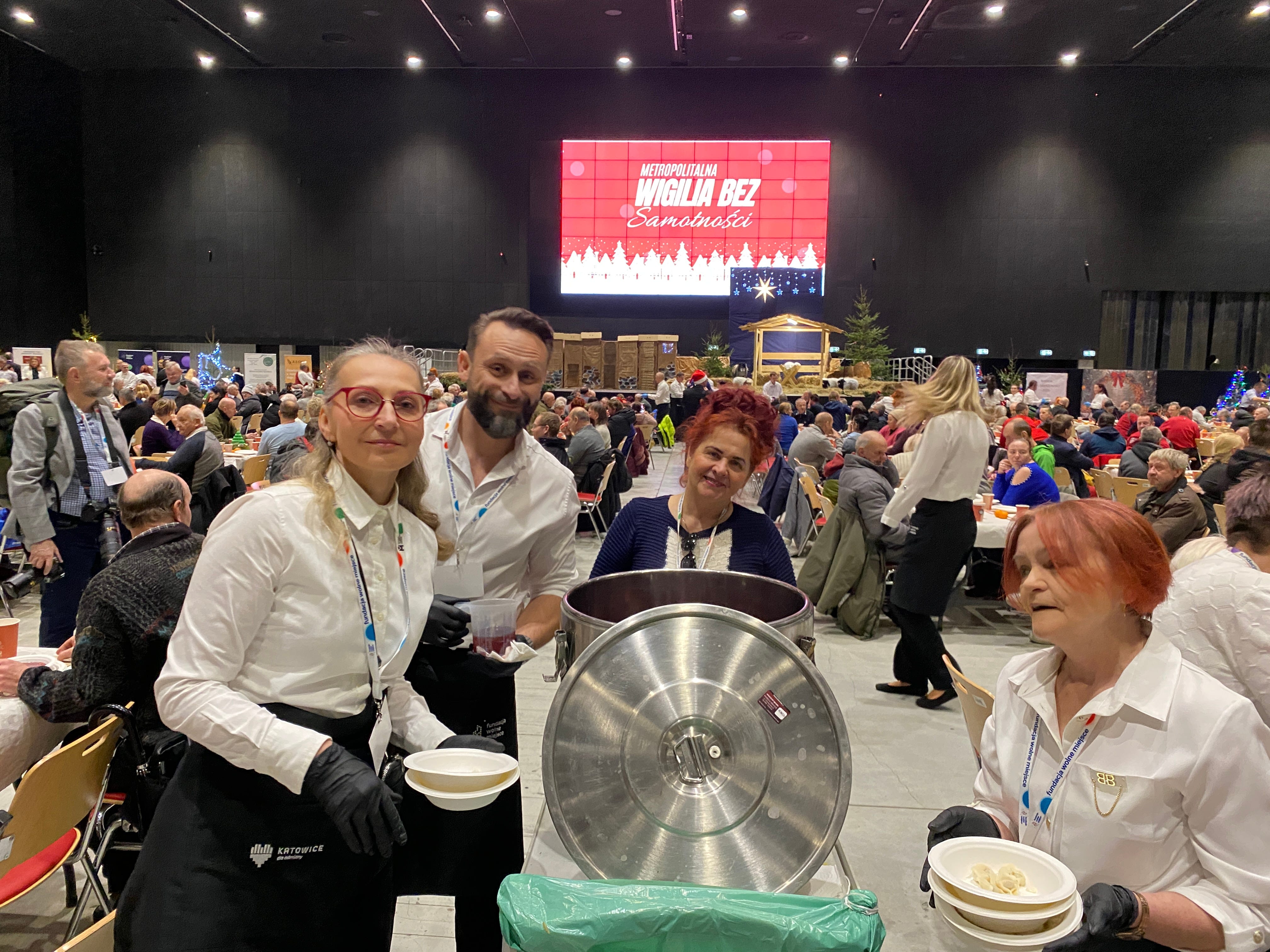
Today, the Christmas Dinner for the Lonely in Katowice hosts thousands of guests, greeted by hundreds of volunteers. The organization is called Fundacja Wolne Miejsce, the Free Seat Foundation. The name evokes the traditional spare chair every family sets for the wandering stranger.
When I first signed up, I was assigned to help in the kitchen. The work started a few days earlier. In a team of twelve, we spent hours cleaning and frying one ton of fish. Next door, another team was cooking gallons of barszcz, beetroot soup. Both fish and soup are traditional Christmas dishes.
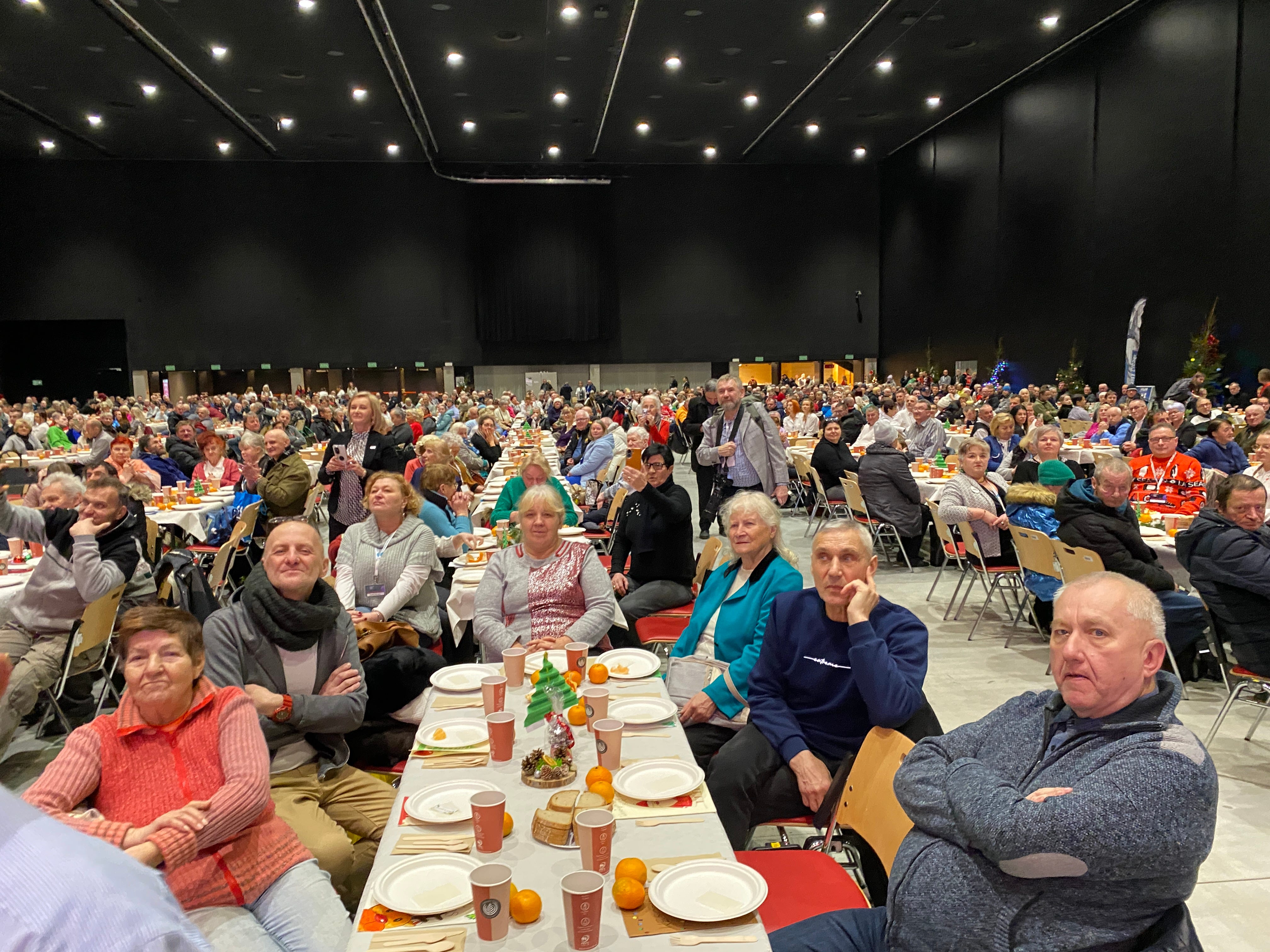
On Christmas Eve, we gathered in the largest hall in Katowice, the International Congress Centre, with a capacity of thousands. Our team of waiters was divided into squads of five. Each squad, equipped with a trolley, served about two hundred guests.
At 3 p.m., the guests began pouring in. The sight shocked me. People were visibly poor, and there were many of them. Some wore rags; others had their life stories written on their faces. They arrived in waves. I was mesmerized. Where did all these people come from? Where did they live? I had spent a lot of time in Katowice but had never imagined there was so much poverty in the city.
Looking more closely, I noticed something intriguing. Among the homeless and beggars sat quite a number of well-dressed men and women. Here and there, a businessman, a young couple in modern clothes, even entire families. I approached one such group and asked, out of curiosity, about their intention. Were they here for a free meal?
The answer was simple. They were not lonely. They came as a gesture of solidarity with those who were.
Seeing all this was emotional. Many of us, waiters and greeters alike, were on the verge of tears. But there was no time. We had two thousand dinners to serve.
After the work was done, we were encouraged to stay and sit with the guests. “Some of them come for the food,” explained a seasoned volunteer. “But more importantly, they come to talk.”
I sat at a random table where I saw a free chair. Next to me was Michał, a man my age, who was homeless. He immediately began sharing his story, one I found hard to believe.
From millionaire to beggar
“I was quite a successful businessman,” Michał said. “I employed about twenty people. We worked in transport and logistics. Banks trusted us and we bought several trucks. The company was growing. Then one day everything changed. I was in a serious car accident. I was unconscious for days and then spent three months in hospital. While I was gone, things fell apart. A competitor bought off my best employees, who took customers with them. The rest of the team quickly lost morale. We started losing business badly. Soon, money stopped coming in while creditors demanded payments. But the worst was yet to come. I could not pay the mortgage, so my wife left me. Sadly, the house was technically hers.”
When Michał left the hospital, he went straight to the street, where he remains to this day. The road from millionaire to beggar took four months.
The eerie business of Ela
When the dinner was over, many people were collecting leftovers into enormous bags they had brought with them, something we were told to accept. One older woman caught my attention. She was not collecting food but Christmas decorations. I spoke to her. Her name was Ela. She told me she wove wreaths, decorations made of branches, and sold them at the market. Then she asked if I could give her a ride home.
We drove together, the back of my car filled with branches and cheap Christmas ornaments Ela had collected. We ended up in a distant suburb. Ela thanked me and asked whether I wanted to see her atelier so she could offer me a handmade decoration. I could not refuse. I was curious.
We carried the huge bags into an abandoned community building in the middle of a small park. There, she led me not inside, but outside. I was confused. There was no room, only a hiding place under cold, dark concrete stairs. On a freezing Christmas night, there were no walls, no light, no heating. The only light came from a distant streetlamp and the moon. Branches and strange objects lay scattered around. I grew uneasy.
Ela began kindly explaining her work, pointing to the decorations she made, but I could see nothing. Only then I connected the dots: I recalled her story had elements of fantasy.
To this day, I am not entirely sure what I saw. It seemed to me that Ela was hallucinating. Maybe there was no workshop, no decoration business, and no customers. Just a lonely woman spending her evenings under concrete stairs in an abandoned park.
***
That night, I stepped into another world, an invisible world existing alongside ours.
The Dinner for the Lonely shattered my life, in a good way.
I have been coming back ever since.
This is how I rediscovered Christmas.
Post Scriptum
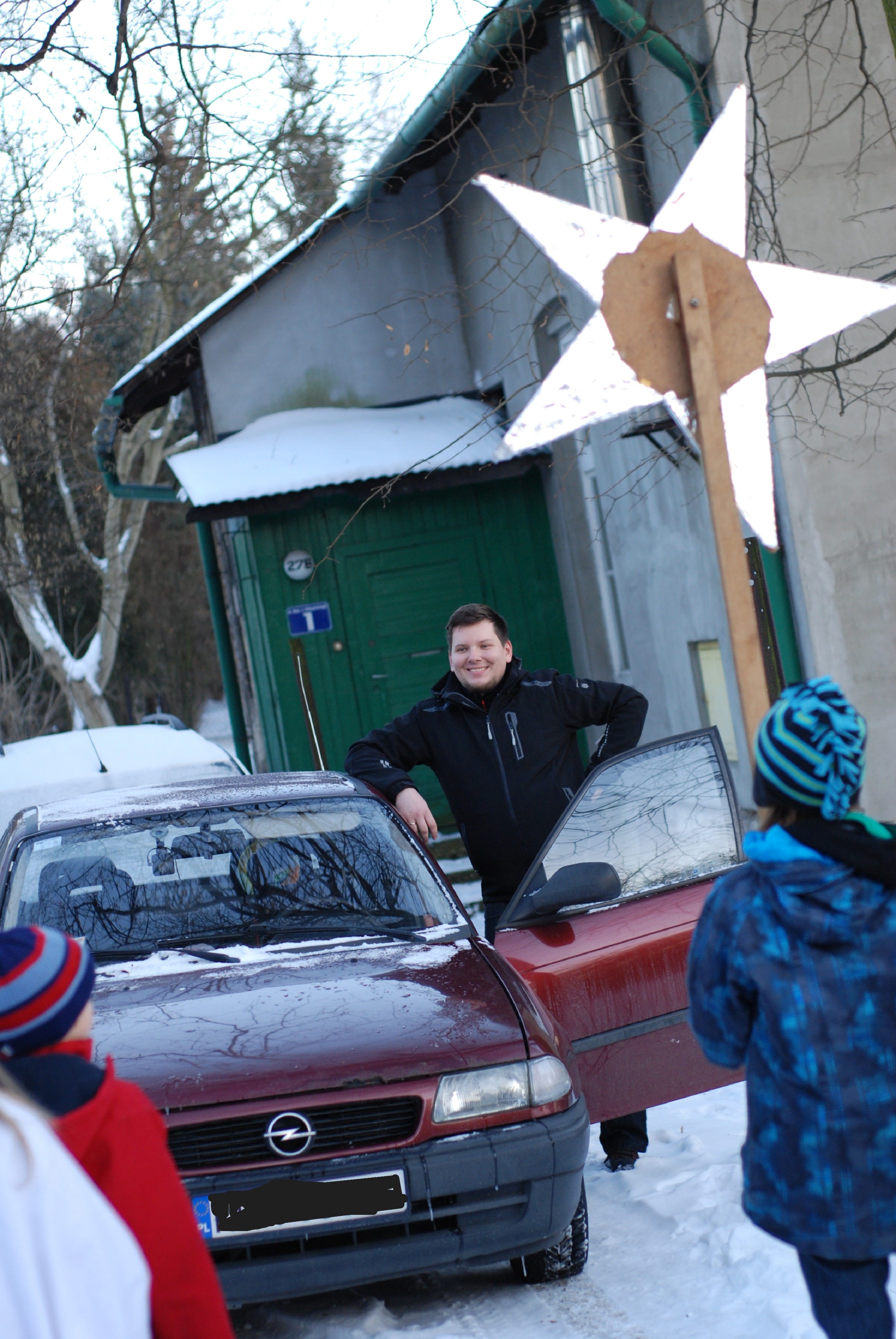
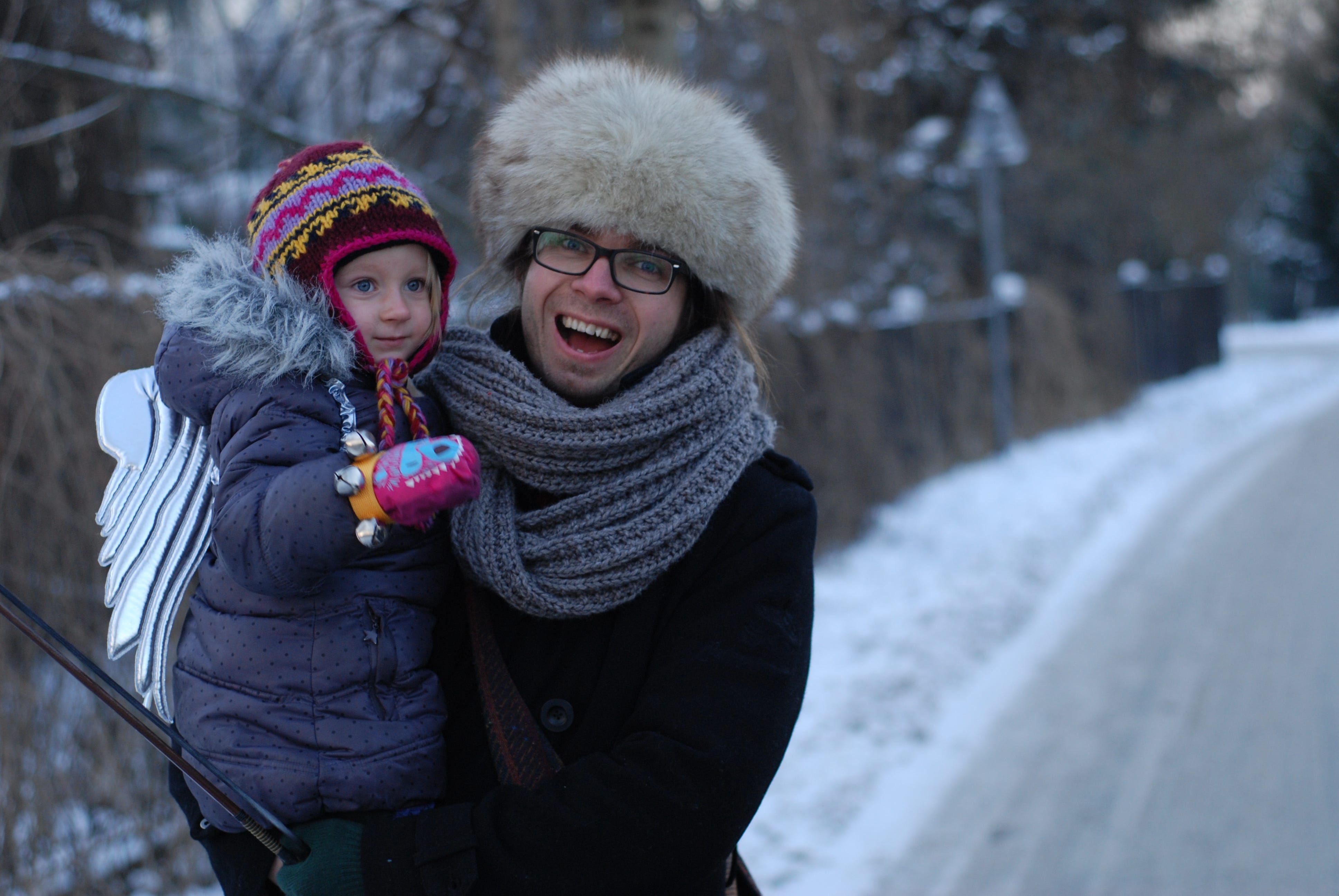
Happy New Year! And to end with a happy note, see the pictures below.
What a heartwarming story and so well told. And the PS photos a perfect finish. T hank for this.
What a soul-stretching testimony Pablo! Thank you for your sincere writing style. The details you shared are both memorable and meaningful. My mom never set an extra plate, but anyone who came was always welcome--whether we knew them or not. Mom would have loved the extra plate tradition! We have to be more caring to all--thank you for the inspiration!!! Happy New Year!! May we all continue to grow in Jesus' love!!